Green Fern

Yacht Builders

Yacht for sale

Yachts For Charter

YachtS For Charter

Content

Ocean King’s Ocean Angel: When Shipbuilders Turn Their Hand to Explorer Yachts

There are yacht builders that begin with styling, lifestyle and market trends, then work backwards toward the engineering. Ocean King feels different. The impression left by a visit to the yard in Chioggia, just south of Venice, is that this is a company that begins with ships — real working ships — and then applies that discipline to yachts. That distinction matters. It matters because Ocean King is not trying to make explorer yachts merely look capable. It is trying to build yachts that genuinely deserve the label. And in the case of the Doge 400 Ocean Angel, that philosophy runs through every part of the project, from the steel hull and classification standards to the sea trial programme, the deck layout and the engine room. This was not just the story of a finished yacht on display at the Monaco Yacht Show. It was the story of where she came from, how she was tested, and why Ocean King is carving out a rather interesting position in the market.

A shipyard first, a yacht builder second

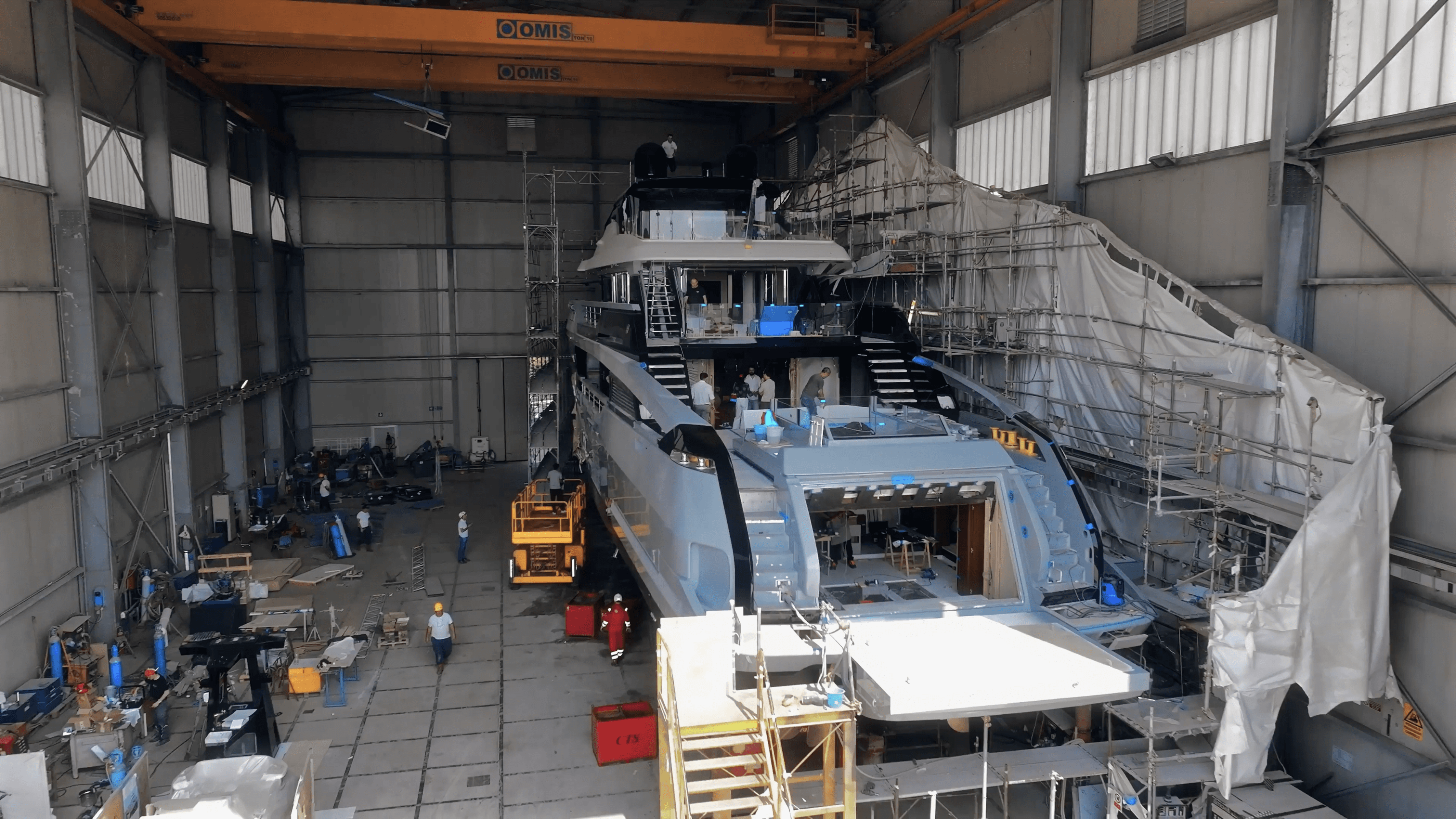
Ocean King is based in Chioggia, a town with deep maritime roots and a long tradition of shipbuilding. The setting feels fitting. There is a sense that serious marine work happens here. At the time of filming, the yard had 17 projects underway, ranging from full vessel construction to refit, maintenance and repair work. That immediately tells you something important. This is not a yard whose entire identity depends on producing glossy yachts for the show circuit. It is a proper shipbuilding environment, and Ocean Angel was being built within that world. That background is central to understanding the Ballarin brothers, David and Alberto. It would be easy to say they are passionate about yachts, but that would miss the point. Their first passion is ships — steel ships, engineered for reliability, safety and long-distance service. Yachts, in their world, are not an escape from shipbuilding principles. They are an extension of them. That mentality shapes everything Ocean King does. David Ballarin even produced an 86-page volume titled The Birth of a True Explorer, laying out the thinking behind the concept. This was not a marketing brochure. It was a serious technical and philosophical statement about what makes a genuine explorer yacht. It covered hull design, steel construction, bulbous bows, propulsion choices, fuel systems and structural principles. It even drew comparisons between modern Ocean King construction methods and older shipbuilding techniques, making the broader case that proper engineering standards are not an optional extra when building vessels intended to go far and go safely. That level of thinking is unusual in yachting, and it is part of what makes Ocean King stand out.
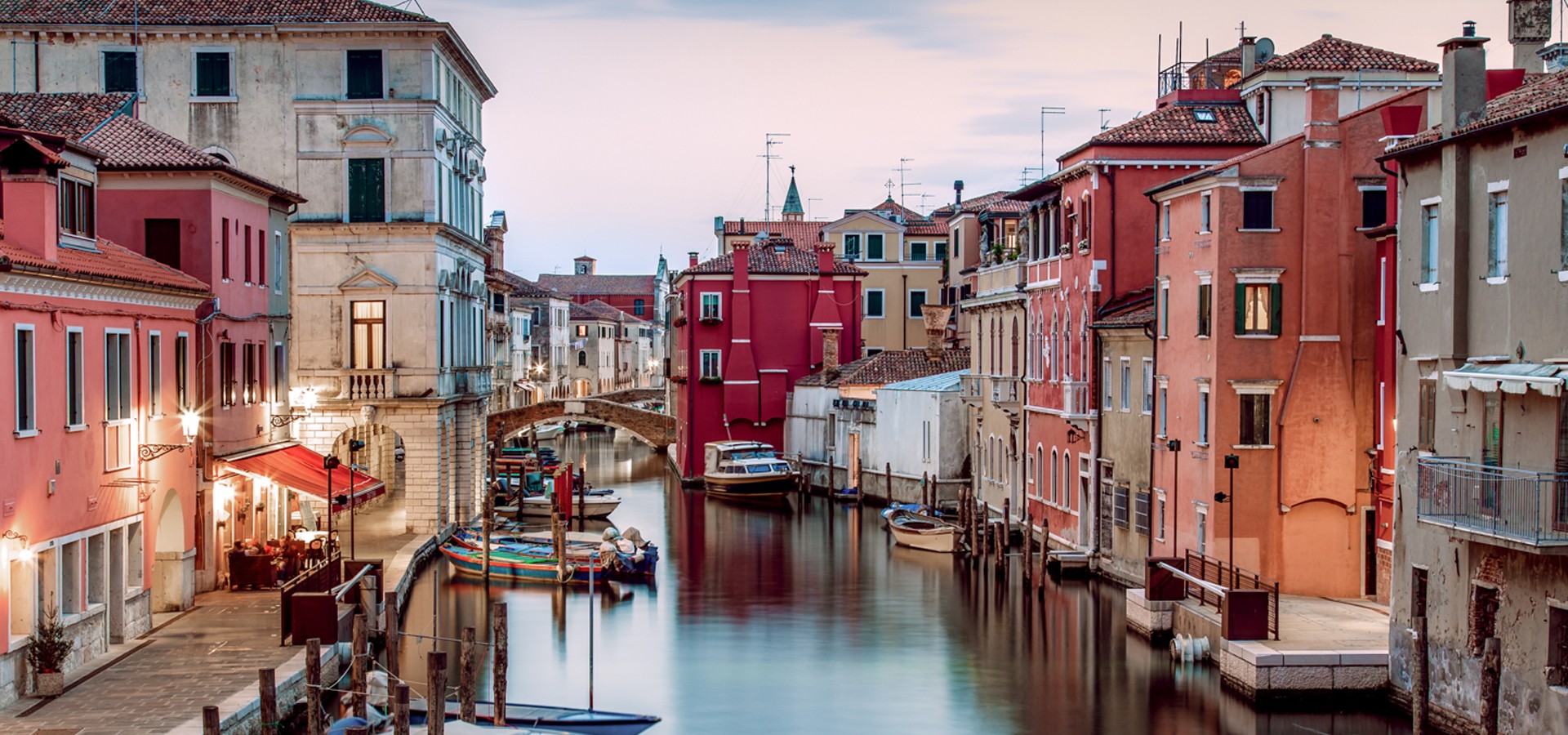
Chioggia, just south of Venice in Italy

A shipyard first, a yacht builder second

Ocean King is based in Chioggia, a town with deep maritime roots and a long tradition of shipbuilding. The setting feels fitting. There is a sense that serious marine work happens here. At the time of filming, the yard had 17 projects underway, ranging from full vessel construction to refit, maintenance and repair work. That immediately tells you something important. This is not a yard whose entire identity depends on producing glossy yachts for the show circuit. It is a proper shipbuilding environment, and Ocean Angel was being built within that world. That background is central to understanding the Ballarin brothers, David and Alberto. It would be easy to say they are passionate about yachts, but that would miss the point. Their first passion is ships — steel ships, engineered for reliability, safety and long-distance service. Yachts, in their world, are not an escape from shipbuilding principles. They are an extension of them. That mentality shapes everything Ocean King does. David Ballarin even produced an 86-page volume titled The Birth of a True Explorer, laying out the thinking behind the concept. This was not a marketing brochure. It was a serious technical and philosophical statement about what makes a genuine explorer yacht. It covered hull design, steel construction, bulbous bows, propulsion choices, fuel systems and structural principles. It even drew comparisons between modern Ocean King construction methods and older shipbuilding techniques, making the broader case that proper engineering standards are not an optional extra when building vessels intended to go far and go safely. That level of thinking is unusual in yachting, and it is part of what makes Ocean King stand out.
Chioggia, just south of Venice in Italy

A shipyard first, a yacht builder second

Ocean King is based in Chioggia, a town with deep maritime roots and a long tradition of shipbuilding. The setting feels fitting. There is a sense that serious marine work happens here. At the time of filming, the yard had 17 projects underway, ranging from full vessel construction to refit, maintenance and repair work. That immediately tells you something important. This is not a yard whose entire identity depends on producing glossy yachts for the show circuit. It is a proper shipbuilding environment, and Ocean Angel was being built within that world. That background is central to understanding the Ballarin brothers, David and Alberto. It would be easy to say they are passionate about yachts, but that would miss the point. Their first passion is ships — steel ships, engineered for reliability, safety and long-distance service. Yachts, in their world, are not an escape from shipbuilding principles. They are an extension of them. That mentality shapes everything Ocean King does. David Ballarin even produced an 86-page volume titled The Birth of a True Explorer, laying out the thinking behind the concept. This was not a marketing brochure. It was a serious technical and philosophical statement about what makes a genuine explorer yacht. It covered hull design, steel construction, bulbous bows, propulsion choices, fuel systems and structural principles. It even drew comparisons between modern Ocean King construction methods and older shipbuilding techniques, making the broader case that proper engineering standards are not an optional extra when building vessels intended to go far and go safely. That level of thinking is unusual in yachting, and it is part of what makes Ocean King stand out.
Chioggia, just south of Venice in Italy

Steel, structure and standards

One of the clearest examples of this shipbuilding DNA is in the hull itself. During the yard visit, Marco Ballarin pointed to the construction of an 80-metre commercial ship underway at the facility and explained that the steel grade used for that oceangoing vessel was fundamentally the same as that used in Ocean King’s explorer yachts. These are not watered-down, yacht-only standards. The material philosophy is rooted in commercial marine construction. The steel in question is RINA grade A, chosen for its ability to retain elasticity in extremely cold conditions. It is exactly the sort of detail that may sound dry in a sales brochure but becomes very meaningful when you imagine a yacht encountering heavy weather or operating in challenging regions. Construction methods matter too. Ocean King places emphasis on continuous welding, rather than relying more selectively on spot welding in areas that may not be scrutinised to the same extent. That is the kind of detail many buyers will never see, but it says a great deal about how a yard thinks. The same applies to classification. Ocean King does not present classification as a tick-box exercise or a label to decorate a specification sheet. The yard works to the higher level of scrutiny, with representatives from RINA regularly inspecting materials, methods and system installation throughout the build. That is a very different proposition from simply meeting minimum CE requirements. It is closer to the mentality of commercial shipbuilding than mainstream yacht marketing. And that, really, is the point. Ocean King is not pretending to be a shipyard. It actually is one.

Steel, structure and standards

One of the clearest examples of this shipbuilding DNA is in the hull itself. During the yard visit, Marco Ballarin pointed to the construction of an 80-metre commercial ship underway at the facility and explained that the steel grade used for that oceangoing vessel was fundamentally the same as that used in Ocean King’s explorer yachts. These are not watered-down, yacht-only standards. The material philosophy is rooted in commercial marine construction. The steel in question is RINA grade A, chosen for its ability to retain elasticity in extremely cold conditions. It is exactly the sort of detail that may sound dry in a sales brochure but becomes very meaningful when you imagine a yacht encountering heavy weather or operating in challenging regions. Construction methods matter too. Ocean King places emphasis on continuous welding, rather than relying more selectively on spot welding in areas that may not be scrutinised to the same extent. That is the kind of detail many buyers will never see, but it says a great deal about how a yard thinks. The same applies to classification. Ocean King does not present classification as a tick-box exercise or a label to decorate a specification sheet. The yard works to the higher level of scrutiny, with representatives from RINA regularly inspecting materials, methods and system installation throughout the build. That is a very different proposition from simply meeting minimum CE requirements. It is closer to the mentality of commercial shipbuilding than mainstream yacht marketing. And that, really, is the point. Ocean King is not pretending to be a shipyard. It actually is one.

Steel, structure and standards

One of the clearest examples of this shipbuilding DNA is in the hull itself. During the yard visit, Marco Ballarin pointed to the construction of an 80-metre commercial ship underway at the facility and explained that the steel grade used for that oceangoing vessel was fundamentally the same as that used in Ocean King’s explorer yachts. These are not watered-down, yacht-only standards. The material philosophy is rooted in commercial marine construction. The steel in question is RINA grade A, chosen for its ability to retain elasticity in extremely cold conditions. It is exactly the sort of detail that may sound dry in a sales brochure but becomes very meaningful when you imagine a yacht encountering heavy weather or operating in challenging regions. Construction methods matter too. Ocean King places emphasis on continuous welding, rather than relying more selectively on spot welding in areas that may not be scrutinised to the same extent. That is the kind of detail many buyers will never see, but it says a great deal about how a yard thinks. The same applies to classification. Ocean King does not present classification as a tick-box exercise or a label to decorate a specification sheet. The yard works to the higher level of scrutiny, with representatives from RINA regularly inspecting materials, methods and system installation throughout the build. That is a very different proposition from simply meeting minimum CE requirements. It is closer to the mentality of commercial shipbuilding than mainstream yacht marketing. And that, really, is the point. Ocean King is not pretending to be a shipyard. It actually is one.

From “this is not a yacht” to “where ships become yachts”

Ocean King’s early move into yacht building led to a meeting that seems, in hindsight, rather important for the brand. Stefano Fallaschi, now the company’s chief commercial officer, came from decades in the luxury yacht world. When he first encountered one of Ocean King’s earlier vessels, he immediately recognised something unusual. The engineering and build quality were impressive, but the aesthetic language was not yet fully aligned with modern luxury-yacht expectations. His reaction was telling: this was not a yacht, it was a ship. That was not criticism so much as recognition. The fundamentals were already there. What Ocean King needed was the right design partnership to translate that robust platform into a yacht that could compete visually as well as technically. That thinking led to collaborations with designers such as Alessandro Lottici for the exterior and Francesca Burdisso for the interior. Together with the yard, they helped shape Ocean King’s identity into something coherent and distinctive. The result is the company motto: where ships become yachts. It is a neat phrase, but in this case it also feels accurate.
The Ocean King Shipyard

From “this is not a yacht” to “where ships become yachts”

Ocean King’s early move into yacht building led to a meeting that seems, in hindsight, rather important for the brand. Stefano Fallaschi, now the company’s chief commercial officer, came from decades in the luxury yacht world. When he first encountered one of Ocean King’s earlier vessels, he immediately recognised something unusual. The engineering and build quality were impressive, but the aesthetic language was not yet fully aligned with modern luxury-yacht expectations. His reaction was telling: this was not a yacht, it was a ship. That was not criticism so much as recognition. The fundamentals were already there. What Ocean King needed was the right design partnership to translate that robust platform into a yacht that could compete visually as well as technically. That thinking led to collaborations with designers such as Alessandro Lottici for the exterior and Francesca Burdisso for the interior. Together with the yard, they helped shape Ocean King’s identity into something coherent and distinctive. The result is the company motto: where ships become yachts. It is a neat phrase, but in this case it also feels accurate.
The Ocean King Shipyard

From “this is not a yacht” to “where ships become yachts”

Ocean King’s early move into yacht building led to a meeting that seems, in hindsight, rather important for the brand. Stefano Fallaschi, now the company’s chief commercial officer, came from decades in the luxury yacht world. When he first encountered one of Ocean King’s earlier vessels, he immediately recognised something unusual. The engineering and build quality were impressive, but the aesthetic language was not yet fully aligned with modern luxury-yacht expectations. His reaction was telling: this was not a yacht, it was a ship. That was not criticism so much as recognition. The fundamentals were already there. What Ocean King needed was the right design partnership to translate that robust platform into a yacht that could compete visually as well as technically. That thinking led to collaborations with designers such as Alessandro Lottici for the exterior and Francesca Burdisso for the interior. Together with the yard, they helped shape Ocean King’s identity into something coherent and distinctive. The result is the company motto: where ships become yachts. It is a neat phrase, but in this case it also feels accurate.
The Ocean King Shipyard

The Doge 400 concept

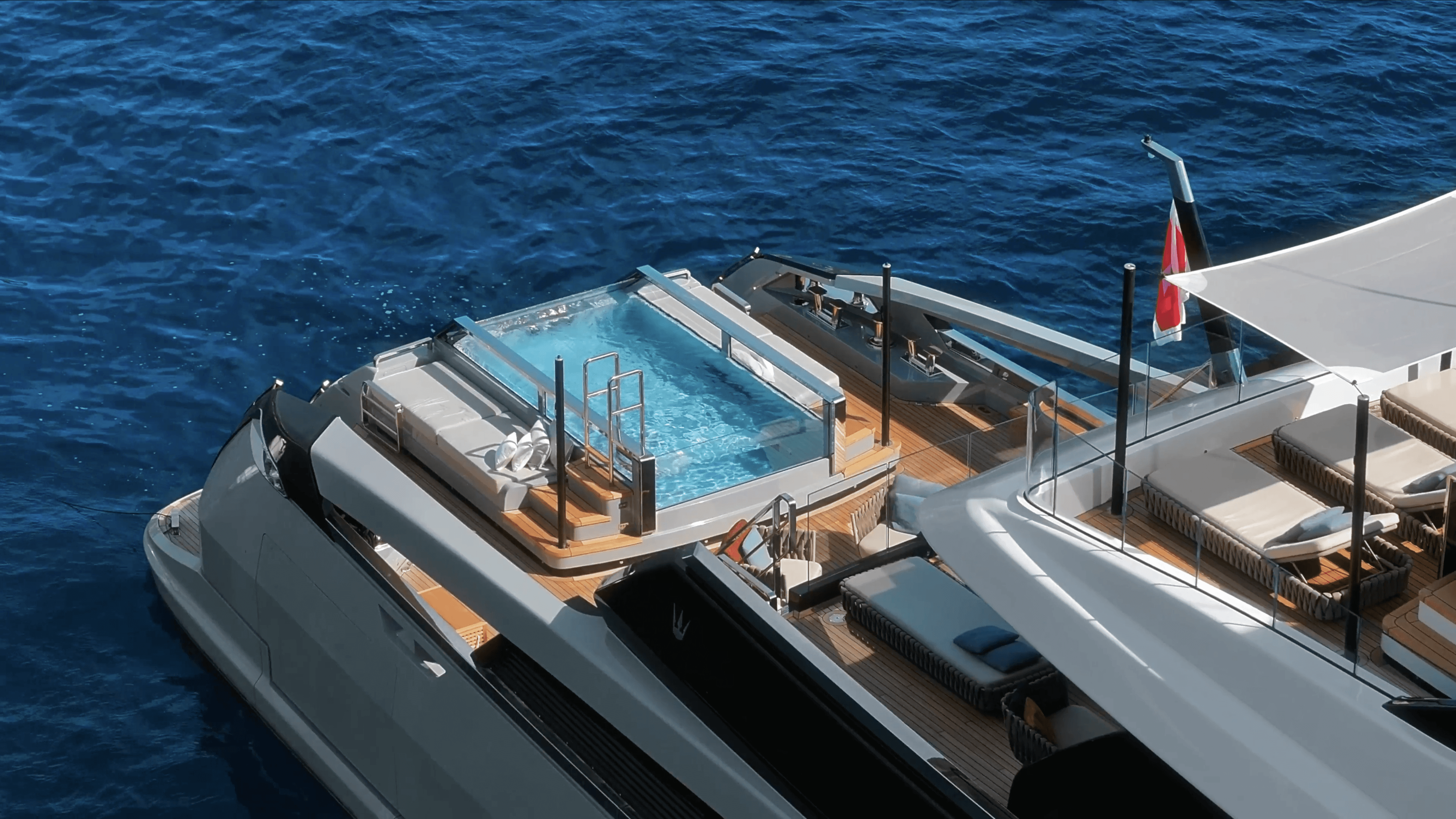
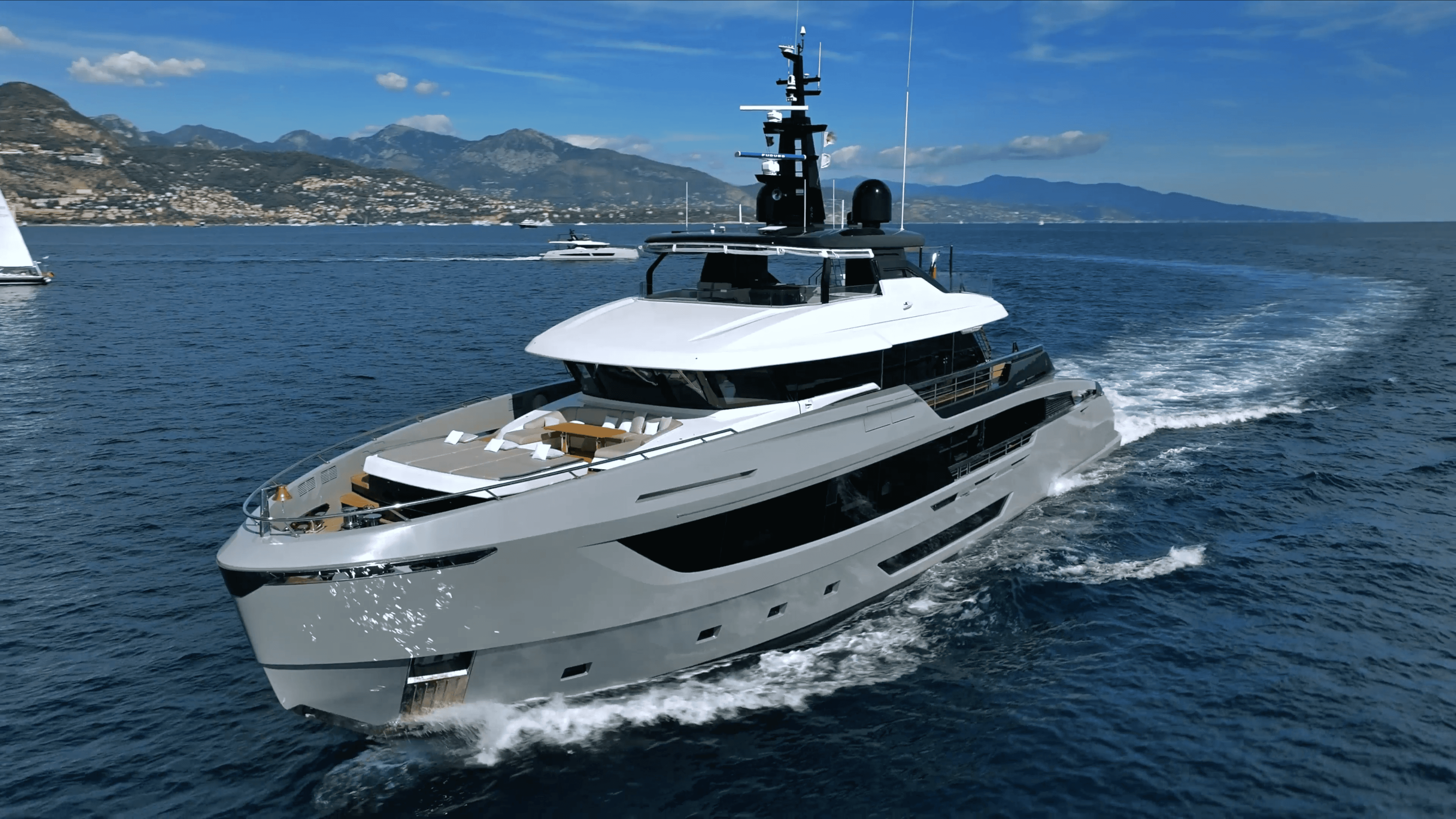
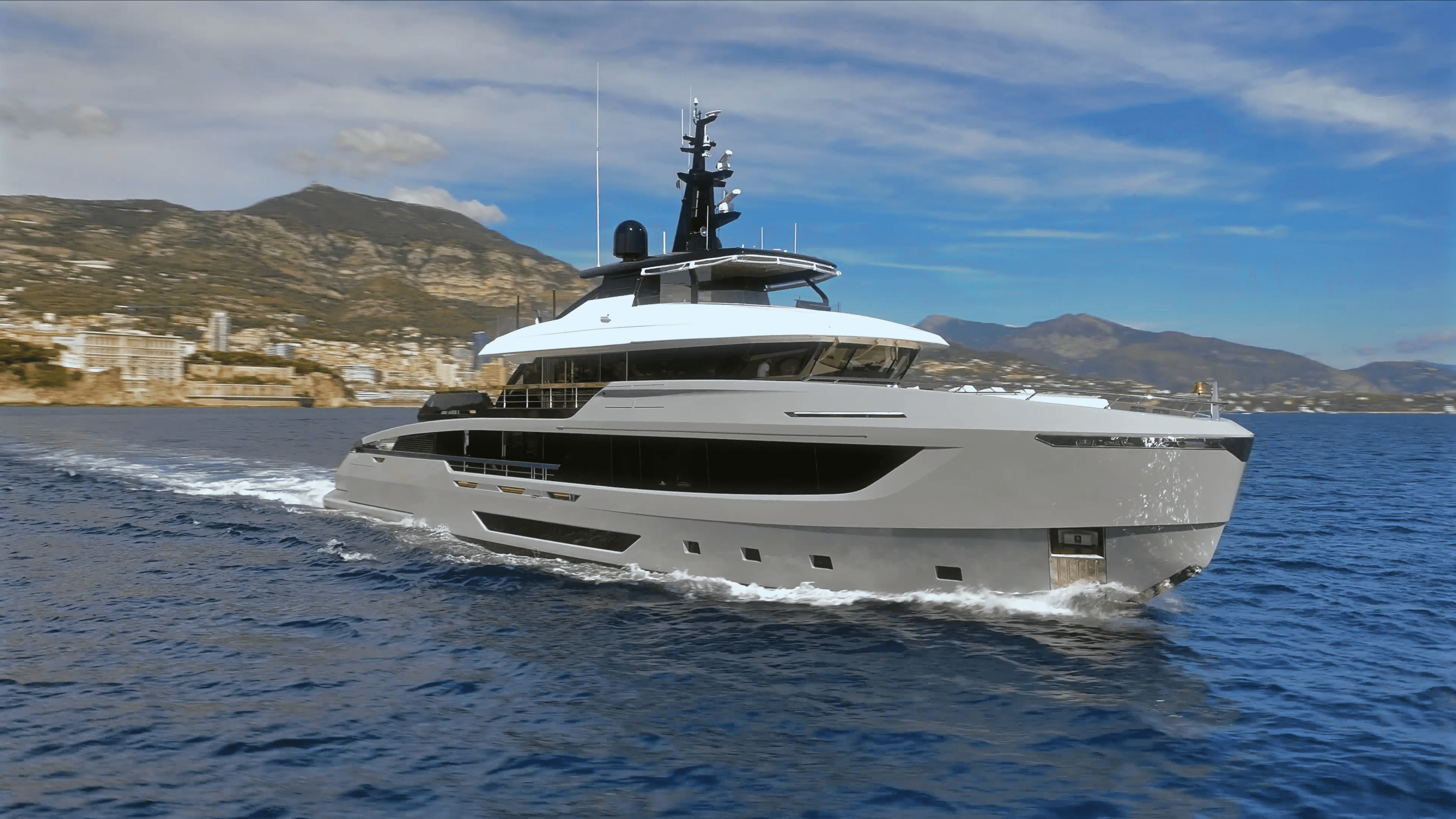
The Doge 400 is not trying to disguise what it is. The high bow, strong lines and reverse-rake wheelhouse glazing all speak clearly to the explorer brief. There is plenty of volume, substantial deck space, and the reassuring sense that the yacht was designed to cope with serious use rather than just perform well during a marina viewing. But that is only half the story. What makes Ocean Angel interesting is that Ocean King has managed to combine this ship-like backbone with a far more refined sense of comfort and atmosphere than one might expect from a yard with commercial roots. Francesca Burdisso’s interior work gives the yacht a genuinely luxurious feel, using warm materials, elegant detailing and carefully considered lighting to soften the structural strength beneath it. The result is not flashy. It is not trying too hard. But it is very convincing. That same thoughtfulness appears in the layout. The aft deck arrangement is slightly elevated, creating a comfortable lounging and sunbathing area, while the dining section is set a few steps lower for increased privacy. It is a small detail, but an effective one. Then there is the plunge pool aft, holding around 6.5 cubic metres of water and configurable for fresh or salt water. What was especially revealing was the story behind its hydro-massage system. The original setup proved too powerful for the owner’s preference, so the yard reworked it, adding another pump and an inverter to create three different power levels. It is a good illustration of the yard’s willingness to tailor solutions rather than force a standard answer onto the client. That flexibility continues throughout the yacht. On the upper deck, this particular owner chose an enclosed dining area in place of a more conventional skylounge. Elsewhere, the arrangement could have been changed again. Ocean King’s approach is not rigid. The platform is robust, but the brief can still be personalised.

The Doge 400 concept

The Doge 400 is not trying to disguise what it is. The high bow, strong lines and reverse-rake wheelhouse glazing all speak clearly to the explorer brief. There is plenty of volume, substantial deck space, and the reassuring sense that the yacht was designed to cope with serious use rather than just perform well during a marina viewing. But that is only half the story. What makes Ocean Angel interesting is that Ocean King has managed to combine this ship-like backbone with a far more refined sense of comfort and atmosphere than one might expect from a yard with commercial roots. Francesca Burdisso’s interior work gives the yacht a genuinely luxurious feel, using warm materials, elegant detailing and carefully considered lighting to soften the structural strength beneath it. The result is not flashy. It is not trying too hard. But it is very convincing. That same thoughtfulness appears in the layout. The aft deck arrangement is slightly elevated, creating a comfortable lounging and sunbathing area, while the dining section is set a few steps lower for increased privacy. It is a small detail, but an effective one. Then there is the plunge pool aft, holding around 6.5 cubic metres of water and configurable for fresh or salt water. What was especially revealing was the story behind its hydro-massage system. The original setup proved too powerful for the owner’s preference, so the yard reworked it, adding another pump and an inverter to create three different power levels. It is a good illustration of the yard’s willingness to tailor solutions rather than force a standard answer onto the client. That flexibility continues throughout the yacht. On the upper deck, this particular owner chose an enclosed dining area in place of a more conventional skylounge. Elsewhere, the arrangement could have been changed again. Ocean King’s approach is not rigid. The platform is robust, but the brief can still be personalised.

The Doge 400 concept

The Doge 400 is not trying to disguise what it is. The high bow, strong lines and reverse-rake wheelhouse glazing all speak clearly to the explorer brief. There is plenty of volume, substantial deck space, and the reassuring sense that the yacht was designed to cope with serious use rather than just perform well during a marina viewing. But that is only half the story. What makes Ocean Angel interesting is that Ocean King has managed to combine this ship-like backbone with a far more refined sense of comfort and atmosphere than one might expect from a yard with commercial roots. Francesca Burdisso’s interior work gives the yacht a genuinely luxurious feel, using warm materials, elegant detailing and carefully considered lighting to soften the structural strength beneath it. The result is not flashy. It is not trying too hard. But it is very convincing. That same thoughtfulness appears in the layout. The aft deck arrangement is slightly elevated, creating a comfortable lounging and sunbathing area, while the dining section is set a few steps lower for increased privacy. It is a small detail, but an effective one. Then there is the plunge pool aft, holding around 6.5 cubic metres of water and configurable for fresh or salt water. What was especially revealing was the story behind its hydro-massage system. The original setup proved too powerful for the owner’s preference, so the yard reworked it, adding another pump and an inverter to create three different power levels. It is a good illustration of the yard’s willingness to tailor solutions rather than force a standard answer onto the client. That flexibility continues throughout the yacht. On the upper deck, this particular owner chose an enclosed dining area in place of a more conventional skylounge. Elsewhere, the arrangement could have been changed again. Ocean King’s approach is not rigid. The platform is robust, but the brief can still be personalised.

Sea trials: the moment truth begins

There is something special about seeing a yacht during sea trials. Launch is emotional, and delivery is celebratory, but sea trials are where the project begins to answer serious questions. How does she behave in real water? How do the systems perform? Is she stable? Is she safe? Does the engineering do what it is supposed to do? Ocean Angel’s sea trial took place off Chioggia, with representatives from Ocean King, RINA and third-party engineers on board. This was not just a scenic run outside the harbour. It was a working trial programme during the closing stages of the build. One of the focal points was IMO Tier III certification. In practical terms, that meant proving that the yacht’s emissions were reduced to the stricter standard now required in certain contexts. The key technology here was the SCR system, or selective catalytic reduction, which treats exhaust gases and reduces nitrogen oxide emissions before release. For a buyer, that may sound like a technical footnote, but it has real implications. Compliance with newer environmental standards is not only better aligned with modern regulation; it may also broaden future cruising possibilities in regions that place tighter restrictions on emissions. Beyond that, the sea trial programme covered exactly what you would want to see on a yacht of this type: manoeuvrability, anchor operations, system checks, engine behaviour, stability, fuel consumption, range calibration and overall performance. And although the yacht was still technically in build, with finishing work continuing, the trial gave a strong sense that the fundamentals were in order. That impression carried through later, when the finished yacht was seen in Monaco. Even alongside other large yachts, Ocean Angel gave off that settled, planted feeling that people often talk about but do not always experience. She looked comfortable in herself.

Sea trials: the moment truth begins

There is something special about seeing a yacht during sea trials. Launch is emotional, and delivery is celebratory, but sea trials are where the project begins to answer serious questions. How does she behave in real water? How do the systems perform? Is she stable? Is she safe? Does the engineering do what it is supposed to do? Ocean Angel’s sea trial took place off Chioggia, with representatives from Ocean King, RINA and third-party engineers on board. This was not just a scenic run outside the harbour. It was a working trial programme during the closing stages of the build. One of the focal points was IMO Tier III certification. In practical terms, that meant proving that the yacht’s emissions were reduced to the stricter standard now required in certain contexts. The key technology here was the SCR system, or selective catalytic reduction, which treats exhaust gases and reduces nitrogen oxide emissions before release. For a buyer, that may sound like a technical footnote, but it has real implications. Compliance with newer environmental standards is not only better aligned with modern regulation; it may also broaden future cruising possibilities in regions that place tighter restrictions on emissions. Beyond that, the sea trial programme covered exactly what you would want to see on a yacht of this type: manoeuvrability, anchor operations, system checks, engine behaviour, stability, fuel consumption, range calibration and overall performance. And although the yacht was still technically in build, with finishing work continuing, the trial gave a strong sense that the fundamentals were in order. That impression carried through later, when the finished yacht was seen in Monaco. Even alongside other large yachts, Ocean Angel gave off that settled, planted feeling that people often talk about but do not always experience. She looked comfortable in herself.

Sea trials: the moment truth begins

There is something special about seeing a yacht during sea trials. Launch is emotional, and delivery is celebratory, but sea trials are where the project begins to answer serious questions. How does she behave in real water? How do the systems perform? Is she stable? Is she safe? Does the engineering do what it is supposed to do? Ocean Angel’s sea trial took place off Chioggia, with representatives from Ocean King, RINA and third-party engineers on board. This was not just a scenic run outside the harbour. It was a working trial programme during the closing stages of the build. One of the focal points was IMO Tier III certification. In practical terms, that meant proving that the yacht’s emissions were reduced to the stricter standard now required in certain contexts. The key technology here was the SCR system, or selective catalytic reduction, which treats exhaust gases and reduces nitrogen oxide emissions before release. For a buyer, that may sound like a technical footnote, but it has real implications. Compliance with newer environmental standards is not only better aligned with modern regulation; it may also broaden future cruising possibilities in regions that place tighter restrictions on emissions. Beyond that, the sea trial programme covered exactly what you would want to see on a yacht of this type: manoeuvrability, anchor operations, system checks, engine behaviour, stability, fuel consumption, range calibration and overall performance. And although the yacht was still technically in build, with finishing work continuing, the trial gave a strong sense that the fundamentals were in order. That impression carried through later, when the finished yacht was seen in Monaco. Even alongside other large yachts, Ocean Angel gave off that settled, planted feeling that people often talk about but do not always experience. She looked comfortable in herself.

Life on board Ocean Angel

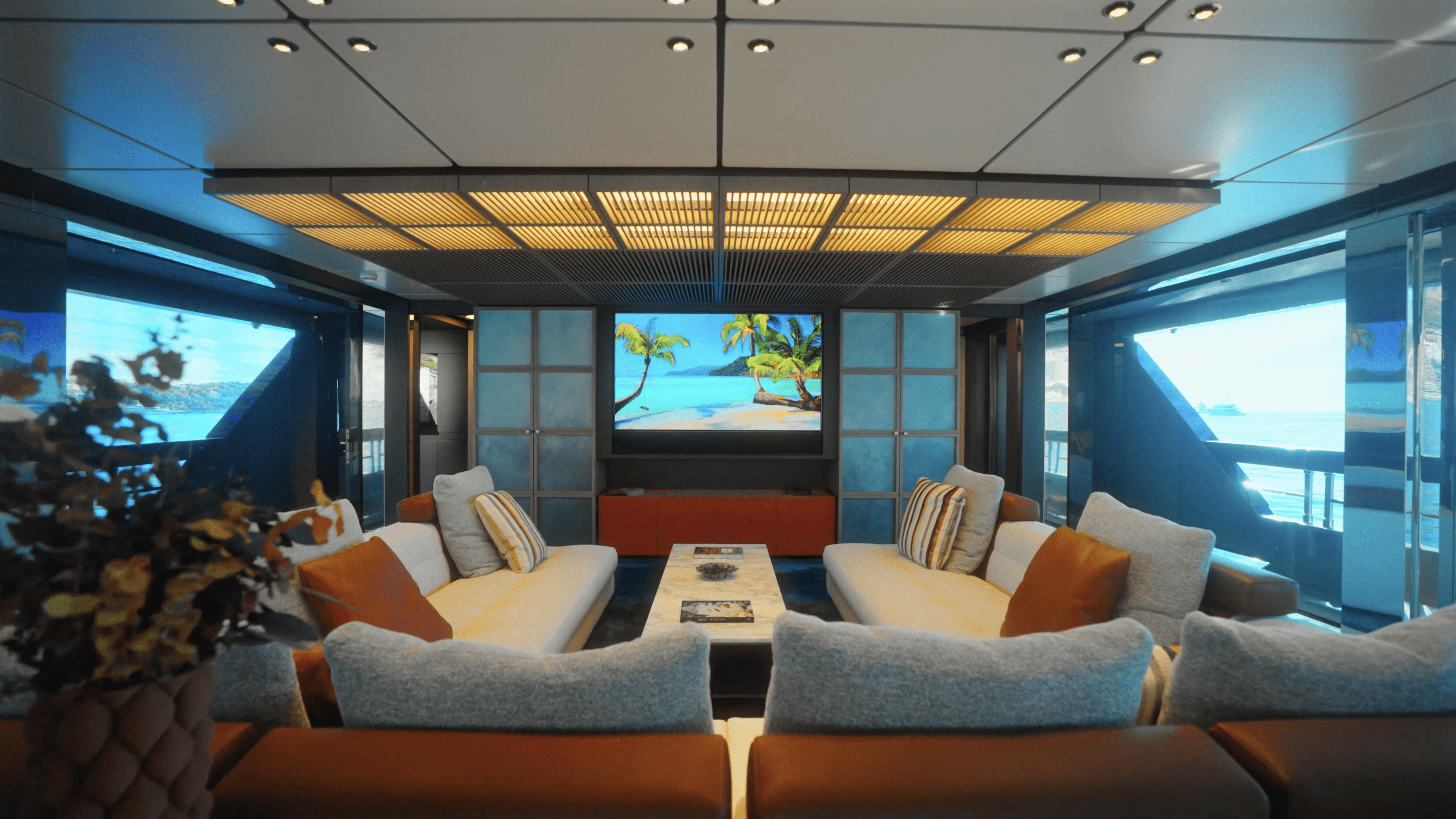
At 40 metres, Ocean Angel offers substantial internal volume, and Ocean King has made good use of it. The main salon benefits from full-height windows that bring in plenty of natural light, while the owner’s suite on the main deck sits forward of the central lobby. Guest accommodation below continues the same calm, refined design language, with an emphasis on comfort rather than unnecessary theatrics. On the upper deck, the owner’s choice of enclosed dining space instead of a more typical lounge arrangement shows the flexibility built into the concept. Just aft is a fun and rather sophisticated DJ station facing four sunpads, with elevated views over the aft deck and plunge pool below. The sundeck is another highlight. There is a second plunge pool, a helm station, a central bar that converts neatly into a dining setup, a dumb waiter, a day head, and ample sunbathing space. It is practical, sociable and nicely resolved. Then there is the bridge, which feels exactly as it should on an explorer yacht: spacious, functional and commanding. Visibility is excellent, and the layout has been helped by placing the staircase to one side rather than dropping it centrally. The captain’s cabin is notably generous too, unusually well configured for a yacht of this length. Further down, the galley is designed to operate both as a serious crew workspace and a usable guest area when required. Large refrigeration capacity reinforces the yacht’s long-range ambitions. Crew quarters are also respectable for the size, with a good mess area and three cabins. The engine room underlines the technical brief. Twin Caterpillar C32 engines of 1,400hp each give the yacht a range of around 5,000 nautical miles, supported by three generators, including an optional smaller night generator. That setup, combined with Tier III compliance, positions Ocean Angel as a yacht that can genuinely think beyond short-hop Mediterranean use. Finally, the beach club is particularly well judged. It includes a day head, sauna, shower room and enough volume to feel useful rather than tokenistic. A ceiling crane rated to around 1.5 tonnes assists with tender handling, and the shell door arrangement makes launch and retrieval straightforward. It is a very practical space, but it still feels enjoyable to spend time in.

Life on board Ocean Angel

At 40 metres, Ocean Angel offers substantial internal volume, and Ocean King has made good use of it. The main salon benefits from full-height windows that bring in plenty of natural light, while the owner’s suite on the main deck sits forward of the central lobby. Guest accommodation below continues the same calm, refined design language, with an emphasis on comfort rather than unnecessary theatrics. On the upper deck, the owner’s choice of enclosed dining space instead of a more typical lounge arrangement shows the flexibility built into the concept. Just aft is a fun and rather sophisticated DJ station facing four sunpads, with elevated views over the aft deck and plunge pool below. The sundeck is another highlight. There is a second plunge pool, a helm station, a central bar that converts neatly into a dining setup, a dumb waiter, a day head, and ample sunbathing space. It is practical, sociable and nicely resolved. Then there is the bridge, which feels exactly as it should on an explorer yacht: spacious, functional and commanding. Visibility is excellent, and the layout has been helped by placing the staircase to one side rather than dropping it centrally. The captain’s cabin is notably generous too, unusually well configured for a yacht of this length. Further down, the galley is designed to operate both as a serious crew workspace and a usable guest area when required. Large refrigeration capacity reinforces the yacht’s long-range ambitions. Crew quarters are also respectable for the size, with a good mess area and three cabins. The engine room underlines the technical brief. Twin Caterpillar C32 engines of 1,400hp each give the yacht a range of around 5,000 nautical miles, supported by three generators, including an optional smaller night generator. That setup, combined with Tier III compliance, positions Ocean Angel as a yacht that can genuinely think beyond short-hop Mediterranean use. Finally, the beach club is particularly well judged. It includes a day head, sauna, shower room and enough volume to feel useful rather than tokenistic. A ceiling crane rated to around 1.5 tonnes assists with tender handling, and the shell door arrangement makes launch and retrieval straightforward. It is a very practical space, but it still feels enjoyable to spend time in.
Life on board Ocean Angel

At 40 metres, Ocean Angel offers substantial internal volume, and Ocean King has made good use of it. The main salon benefits from full-height windows that bring in plenty of natural light, while the owner’s suite on the main deck sits forward of the central lobby. Guest accommodation below continues the same calm, refined design language, with an emphasis on comfort rather than unnecessary theatrics. On the upper deck, the owner’s choice of enclosed dining space instead of a more typical lounge arrangement shows the flexibility built into the concept. Just aft is a fun and rather sophisticated DJ station facing four sunpads, with elevated views over the aft deck and plunge pool below. The sundeck is another highlight. There is a second plunge pool, a helm station, a central bar that converts neatly into a dining setup, a dumb waiter, a day head, and ample sunbathing space. It is practical, sociable and nicely resolved. Then there is the bridge, which feels exactly as it should on an explorer yacht: spacious, functional and commanding. Visibility is excellent, and the layout has been helped by placing the staircase to one side rather than dropping it centrally. The captain’s cabin is notably generous too, unusually well configured for a yacht of this length. Further down, the galley is designed to operate both as a serious crew workspace and a usable guest area when required. Large refrigeration capacity reinforces the yacht’s long-range ambitions. Crew quarters are also respectable for the size, with a good mess area and three cabins. The engine room underlines the technical brief. Twin Caterpillar C32 engines of 1,400hp each give the yacht a range of around 5,000 nautical miles, supported by three generators, including an optional smaller night generator. That setup, combined with Tier III compliance, positions Ocean Angel as a yacht that can genuinely think beyond short-hop Mediterranean use. Finally, the beach club is particularly well judged. It includes a day head, sauna, shower room and enough volume to feel useful rather than tokenistic. A ceiling crane rated to around 1.5 tonnes assists with tender handling, and the shell door arrangement makes launch and retrieval straightforward. It is a very practical space, but it still feels enjoyable to spend time in.

Who is Ocean King really for?

That may be the most important question of all. Ocean King is probably not for a buyer whose first priority is showing off in the marina with the most fashion-led silhouette in the anchorage. That is not the game here. This is a yard for people who care deeply about the way a yacht is built. People who want steel and aluminium, genuine seakeeping, long-range capability, and the reassurance that the structure beneath them comes from a yard that understands ships in the truest sense of the word. That does not mean sacrificing comfort or style. Ocean Angel proves that very clearly. But it does mean that luxury is being delivered on top of substance, not instead of it. In a market where some builders have moved upward from smaller GRP yachts into larger steel and aluminium projects, Ocean King comes at the challenge from the opposite direction. It is a shipbuilder entering the world of yachts. And that may be exactly what makes it special.

Who is Ocean King really for?

That may be the most important question of all. Ocean King is probably not for a buyer whose first priority is showing off in the marina with the most fashion-led silhouette in the anchorage. That is not the game here. This is a yard for people who care deeply about the way a yacht is built. People who want steel and aluminium, genuine seakeeping, long-range capability, and the reassurance that the structure beneath them comes from a yard that understands ships in the truest sense of the word. That does not mean sacrificing comfort or style. Ocean Angel proves that very clearly. But it does mean that luxury is being delivered on top of substance, not instead of it. In a market where some builders have moved upward from smaller GRP yachts into larger steel and aluminium projects, Ocean King comes at the challenge from the opposite direction. It is a shipbuilder entering the world of yachts. And that may be exactly what makes it special.

Who is Ocean King really for?

That may be the most important question of all. Ocean King is probably not for a buyer whose first priority is showing off in the marina with the most fashion-led silhouette in the anchorage. That is not the game here. This is a yard for people who care deeply about the way a yacht is built. People who want steel and aluminium, genuine seakeeping, long-range capability, and the reassurance that the structure beneath them comes from a yard that understands ships in the truest sense of the word. That does not mean sacrificing comfort or style. Ocean Angel proves that very clearly. But it does mean that luxury is being delivered on top of substance, not instead of it. In a market where some builders have moved upward from smaller GRP yachts into larger steel and aluminium projects, Ocean King comes at the challenge from the opposite direction. It is a shipbuilder entering the world of yachts. And that may be exactly what makes it special.